
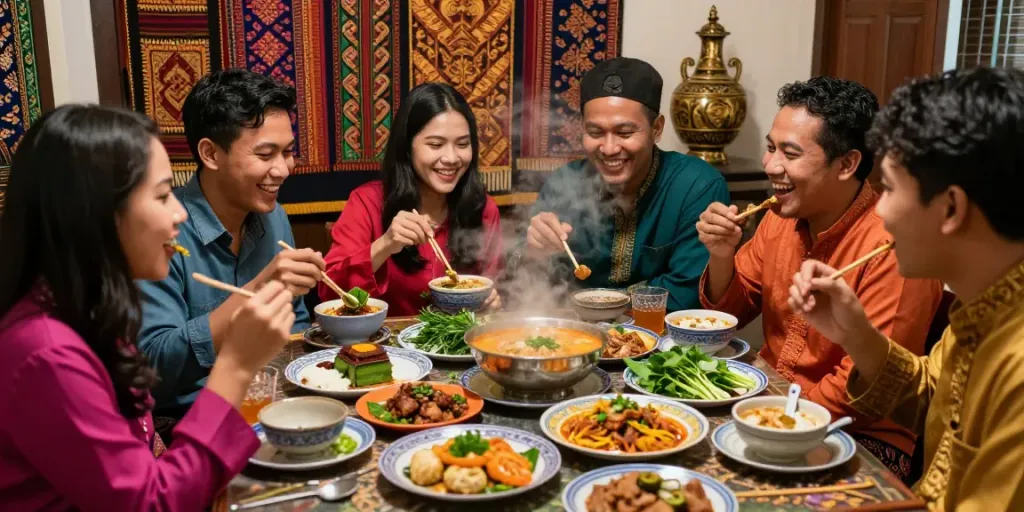
Understanding the Nyonya4D Culinary Heritage
Nyonya cuisine, a unique blend of Chinese and Malay culinary traditions, represents a rich heritage that is cherished by food enthusiasts around the world. It embodies the cultural fusion that arose when Chinese immigrants settled in Malaysia and Indonesia, embracing local ingredients and techniques while retaining their culinary roots. This article will delve into the intricacies of Nyonya4D cuisine, exploring its history, essential ingredients, common mistakes in cooking, best practices, and future trends. For those passionate about exploring this vibrant culinary world, nyonya4d offers an array of resources and insights.
What is Nyonya Cuisine?
Nyonya cuisine, often referred to as Peranakan cuisine, is defined by its eclectic mix of flavors and techniques. The term "Nyonya" traditionally denotes the female descendants of Chinese immigrants who adopted Malay customs, while "Baba" refers to the male counterparts. This cross-cultural exchange has led to a culinary style that showcases aromatic spices, fresh herbs, and a wide range of ingredients sourced locally. Signature dishes like Laksa, Rendang, and Kueh reflect the complexity of flavors that are synonymous with Nyonya cooking, characterized by the use of spices such as turmeric, lemongrass, and galangal.
The Cultural Significance of Nyonya Dishes
Every Nyonya dish tells a story, often rooted in family traditions, regional differences, and cultural significance. Dishes are typically prepared for festive occasions, family gatherings, and celebrations, indicating their importance in nurturing relationships and preserving heritage. The culinary practices of the Nyonyas reflect their cultural identity, with many recipes passed down through generations, embodying the essence of family and community in their preparation.
Key Ingredients that Define Nyonya4D Cooking
The hallmark of Nyonya cuisine lies in its distinctive ingredients, which are often fresh and locally sourced. Key components include:
- Lemongrass: Provides a citrusy flavor, integral to many Nyonya soups and curries.
- Tamarind: Adds a tangy depth to dishes, balancing sweetness and heat.
- Kaffir Lime Leaves: Imparts a fragrant aroma, frequently used in curries and marinades.
- Sambal: A spicy chili paste that brings heat and flavor to numerous dishes.
- Coconut Milk: Used generously, it lends creaminess and richness to Nyonya curries.
Common Nyonya4D Cooking Mistakes
Overlooking the Importance of Authentic Ingredients
A frequent pitfall for those attempting Nyonya cooking is the neglect of authentic ingredients. Substituting key components can significantly alter the dish's overall flavor profile. For instance, using dried herbs instead of fresh ones can diminish the vibrant taste that defines Nyonya cuisine. It’s essential to source traditional ingredients to capture the essence of this culinary art.
Neglecting Traditional Cooking Techniques
Traditional cooking techniques are integral to the authenticity of Nyonya dishes. Many cooks may feel inclined to rush the cooking process, but methods such as slow-stewing and blending spices require time and attention. Utilizing techniques such as rempah (spice paste) preparation is crucial in releasing the flavors and aromas that are the cornerstone of Nyonya cuisine.
Misunderstanding Flavors and Spices
Nyonya cuisine thrives on a delicate balance of flavors, and misjudging the spice levels can result in overwhelming dishes. Many newcomers to this cuisine may underestimate the power of certain ingredients. For example, miscalculating the amount of belacan (fermented shrimp paste) can lead to overpowering flavors that overshadow the dish’s true essence.
Best Practices in Nyonya4D Cooking
Using Fresh Ingredients for Authentic Taste
To achieve the best results in Nyonya cooking, always opt for fresh ingredients. The freshness of herbs, vegetables, and meats can elevate the quality of Nyonya dishes. When preparing meals, prioritize local markets where you can access seasonal produce and the finest spices, which are essential for authentic flavors.
Traditional Techniques for Enhanced Flavor
Mastering traditional cooking techniques is vital for any culinary enthusiast. Techniques such as pounding spices with a mortar and pestle instead of using a blender can significantly impact the flavor and aroma. This labor-intensive method releases essential oils that are crucial for many Nyonya dishes.
Balancing Spices in Nyonya Dishes
Nyonya cooking is all about balancing flavors. A well-prepared dish should harmonize sweetness, sourness, and spiciness, creating a complex taste experience. It’s advisable to taste and adjust the seasoning during cooking, ensuring that each component complements one another without overpowering the dish.
Real-World Examples of Successful Nyonya4D Chefs
Celebrated Nyonya4D Restaurants to Visit
Exploring authentic Nyonya cuisine often leads food lovers to renowned restaurants. Places such as Nyonya Mak's Kitchen and Peranakan Place have gained acclaim for their dedication to preserving traditional recipes while infusing modern touches, making them a must-visit for anyone interested in Nyonya4D culinary delights.
Notable Chefs and Their Signature Dishes
Chefs like Chef Mary Wong and Chef Amy Beh have played pivotal roles in keeping Nyonya cuisine relevant in contemporary dining. Their signature dishes—such as Chef Mary's Grilled Fish in Banana Leaves and Chef Beh's Kueh Lapis—showcase the beautiful fusion of flavors that Nyonya cooking offers.
Case Studies: Reviving Traditional Nyonya Recipes
Several initiatives are underway to revive and preserve traditional Nyonya recipes. These case studies highlight the importance of community engagement and cultural preservation through culinary arts. Workshops and cooking classes are being organized worldwide, allowing enthusiasts to learn about the intricacies of Nyonya cooking while fostering appreciation for its heritage.
Future Trends in Nyonya4D Culinary Practices
Emerging Techniques and Innovative Twists
As Nyonya cuisine evolves, chefs are increasingly experimenting with innovative twists on classic dishes. Incorporating molecular gastronomy techniques or global culinary influences is becoming more common. This not only attracts a younger audience but also keeps the essence of Nyonya cooking alive through creative reinventions.
Global Influence of Nyonya4D Beyond Malaysia
The global appreciation of Nyonya cuisine is on the rise, as more people seek to explore diverse culinary experiences. With the increasing popularity of food travel and cultural exchanges, Nyonya restaurants are sprouting up in cities around the world, contributing to the global food scene.
2026 Predictions: The Evolution of Nyonya Cuisine
By 2026, it is anticipated that Nyonya cuisine will gain further international recognition, becoming a staple in culinary discussions worldwide. The integration of sustainability practices in sourcing ingredients will likely become more prominent, reflecting a global shift towards environmentally conscious dining.
How Nyonya4D Can Influence Contemporary Dining
Nyonya4D can have a significant impact on contemporary dining through its emphasis on vibrant flavors and communal eating experiences. As restaurants focus on creating shareable plates, Nyonya's family-style meals can inspire modern dining concepts, promoting a sense of togetherness among diners.
What Makes Nyonya Dishes Unique for Future Generations?
The unique fusion of flavors, techniques, and cultural significance inherent in Nyonya dishes sets it apart for future generations. As culinary trends shift towards personalization and local ingredients, Nyonya cuisine's emphasis on fresh herbs and spices will resonate with the values of sustainability and authenticity that tomorrow's diners seek.
FAQs about Nyonya4D Cuisine
What are the essential ingredients in Nyonya cooking?
Essential ingredients include lemongrass, tamarind, coconut milk, and a variety of aromatic spices that define the unique flavors of Nyonya dishes.
How can I learn traditional Nyonya recipes?
Engaging in cooking classes, attending workshops, or following culinary influencers who specialize in Nyonya cuisine are excellent ways to learn traditional recipes.
What are some popular Nyonya dishes to try?
Popular Nyonya dishes include Laksa, Nasi Ulam, and Kueh Lapis, each showcasing the diverse flavors and textures characteristic of this wonderful cuisine.
How has Nyonya cuisine evolved over the years?
Nyonya cuisine has evolved by embracing modern cooking techniques and incorporating global flavors while staying rooted in its traditional heritage.
Why is Nyonya4D significant to Malaysian culture?
Nyonya4D is significant as it represents a fusion of Chinese and Malay cultures, showcasing the rich history of Malaysia's multicultural society through its distinctive culinary practices.